


Humidifier Mold Prevention: Best Practices for Storage, Drying, and Weekly Cleaning

Problem overview
If you’ve ever opened a humidifier after a few weeks and noticed a musty smell, slimy film, or visible spots, you’ve already seen the problem: humidifiers create the perfect environment for mold and bacteria when water sits, surfaces stay damp, or cleaning is inconsistent. The risk is higher with cool mist/ultrasonic units because they can leave behind mineral residue and a thin moisture layer inside the tank and around the mist path—both can help biofilm form.
This guide focuses on how to prevent mold in humidifier by combining the right cleaning steps, drying habits, and a simple maintenance schedule. You’ll also find realistic product guidance for choosing a portable humidifier that’s easier to maintain (especially for bedroom, office, travel, and plants).
Cleaning steps

Start with a quick rule: if you see discoloration, feel sliminess, or smell “stale water,” don’t just rinse and refill. You need a full clean to remove biofilm and residue.
1) Unplug and empty completely
- Turn the humidifier off and unplug it.
- Pour out any remaining water.
- Disassemble only what your model requires (tank, top/mist nozzle, cap, and any removable parts).
2) Rinse every part that touches water
- Rinse the tank, lid, and mist outlet area with warm tap water.
- Use a soft cloth or non-scratch brush to wipe away visible film.
- Never use metal tools that can scratch plastic—scratches make it easier for biofilm to cling.
3) Remove mineral buildup and biofilm
Mineral deposits (often white or chalky) can trap moisture and help mold adhere. Biofilm can also form even when you don’t see it.
- For mineral scale: Use a humidifier-safe descaling approach. Many owners use a diluted white vinegar solution (follow your humidifier’s care guidance if provided).
- For biofilm/musty smell: After descaling, do a thorough rinse and wipe down again to remove loosened residue.
Actionable tip: Pay extra attention to corners, threads, and the underside of the lid—these are common “hidden” mold zones.
4) Clean the mist path and outlet (without damaging it)
- Wipe the mist outlet area gently with a damp cloth.
- If there’s an ultrasonic plate (common in cool mist units), follow your device’s instructions for cleaning that surface. Avoid aggressive scrubbing that can scratch or warp components.
5) Dry immediately after cleaning
This is one of the most important steps in how to prevent mold in humidifier. Mold doesn’t only grow in water—it grows on wet surfaces left to sit.
- After the final rinse, shake out excess water.
- Leave the tank and parts fully open to air-dry on a clean, dry towel or drying rack.
- Do not reassemble while still wet.
6) Refill with fresh water (and consider your water source)
- Use fresh water each time you use the humidifier.
- If your area has hard water, mineral buildup will be faster. Many users switch to filtered or distilled water to reduce scale and make cleaning easier.
Maintenance schedule
A schedule is what turns “good intentions” into consistent mold prevention. Below is a realistic approach for everyday use, light weekend use, and seasonal storage.
Daily / every use (2–5 minutes)
- Empty leftover water after each session (especially if you’ll leave it for hours).
- Quick rinse the tank if you used it for multiple days in a row and the water sat for a while.
- Keep the mist outlet clear—don’t let water droplets pool on external surfaces.
Weekly cleaning (15–30 minutes)
- Do a full clean: rinse all parts, descale/remove residue, wipe down, rinse again.
- Check for early signs: film around the lid threads, cloudiness in corners, musty odor.
- Dry fully before reassembly.
Monthly deep clean (optional but recommended)
- Repeat the weekly steps with extra focus on the mist path and any hard-to-reach seams.
- Inspect gaskets/seals if your model uses them. Replace only if the manufacturer provides a method (don’t improvise).
Seasonal storage (the part most people skip)
If you only use your humidifier in winter (or only during dry months), storage habits matter as much as cleaning. Here’s how to store it so mold doesn’t “wake up” when you bring it back out.
- Clean first (don’t store with residue).
- Dry completely: leave parts open until there’s no dampness anywhere.
- Store dry and sealed: use a breathable storage bag or container with a dry environment (avoid sealing it while still slightly damp).
- Store away from humidity-prone areas like bathrooms, laundry rooms, or basements.
Common mistakes

Most mold issues aren’t caused by “bad humidifiers”—they’re caused by predictable habits. Avoid these:
1) Leaving water in the tank overnight
Even if it seems convenient, standing water quickly develops biofilm. If you want to run it overnight, plan to empty and clean soon after (or follow your device’s guidance for safe continuous use).
2) Rinsing only, without descaling or wiping
Rinsing removes loose water, but it doesn’t reliably remove mineral scale or the slimy layer that biofilm forms on.
3) Reassembling while parts are still wet
Moisture trapped inside the tank or under the lid can grow mold in storage. Drying fully is non-negotiable.
4) Using harsh abrasives
Scratches in plastic make it easier for mold to cling and harder to clean later.
5) Ignoring smell as a “warning sign”
A musty odor means biofilm is already present. If you smell it, clean thoroughly—not just refill.
Prevention tips
Beyond cleaning, prevention is about reducing the conditions mold needs: stagnant water, damp surfaces, and residue buildup.
1) Choose a humidifier that’s easier to keep clean
Portable humidifiers with simpler tank access and parts you can rinse thoroughly tend to be easier to maintain. If you’re shopping, consider features that support maintenance routines:
- Auto shut-off helps prevent dry running, but it doesn’t prevent mold—still empty and clean regularly.
- Compact tanks can be easier to empty quickly and rinse thoroughly.
- Multiple mist modes can help you use less water overall, which may reduce how often you handle stale water.
2) Use the right fill habits
- Refill only with fresh water right before use.
- Don’t “top up” repeatedly without emptying—topping up mixes fresh water with old residue.
- If you use essential oils or additives, be aware they can leave residues that encourage buildup. Only use what your device explicitly supports.
3) Keep the room balanced
Too much humidity can worsen air quality problems. Mold prevention isn’t just about the humidifier—it’s also about overall moisture in the room.
- Use a hygrometer if you can (aim for comfortable indoor humidity rather than “maximum mist” all day).
- If the room feels damp or you see condensation on windows, reduce mist duration or stop using until conditions improve.
4) Wipe external surfaces that collect droplets
Condensation and droplets around the outlet can create damp spots. Wipe the area dry periodically, especially in bedrooms and offices where surfaces are close to the output.
5) Consider a portable option for smaller spaces
For travel, desks, or bedrooms, smaller personal humidifiers can be easier to empty and clean frequently. Here are a few related options you can consider from airhumidifiers.com.au—all are designed for convenient use, and their compact size can support better maintenance habits.
Comparison table: portable humidifiers for easier maintenance habits
The table below focuses on practical ownership factors that affect mold prevention: portability (so you can empty more often), tank capacity (smaller often means faster “stale water” risk if you forget), and safety features like auto shut-off.
| Product | Why it may help | Best fit |
| Jisulife Mini Portable Humidifiers, 8-14 Hrs Travel Personal Battery Operated Humidifier with Container Diversity, Auto Shut-off, Ultra-quiet, Usb Rechargeable Humidifier for Travel/car/office/plants | Portable and USB rechargeable makes it easier to use fresh water often; auto shut-off supports safer operation. | Travel, office desk, and plant areas where you want a small unit you’ll empty and rinse frequently. |
| Humidifiers for Bedroom Portable Mini Humidifier with 7-color Lights, Auto Shut-off Small Desk Humidifier [2 Mist Modes] Super Quiet Usb Personal Humidifier for Bedroom, Car, Office, Travel, Plants | Simple bedroom/desk use with auto shut-off; two mist modes can help you avoid over-humidifying. | Bedroom night use where you’ll benefit from a quick routine: empty after use and weekly cleaning. |
| Jisulife Mini Portable Humidifier, Travel Personal Battery Operated Humidifier with Container Diversity, Max 7hrs, Auto Shut Off, Ultra-quiet, Usb Rechargeable Humidifier for Office/bedroom/plants | Compact design supports frequent emptying; auto shut-off reduces risk from forgetting to turn it off. | Small rooms and daily use with a consistent weekly maintenance plan. |
| Jisulife Portable Mini Humidifier Rechargeable, Night Light Small Humidifier for Bedroom 300ml, Cool Mist Humidifiers for Baby, Air Humidifier for Plants, Desktop, Office, Sleep, Travel -beige | Rechargeable and designed for bedroom/office comfort; a 300ml tank can be easier to empty quickly. | People who want a personal unit and are willing to empty it after sessions. |
| Mini Humidifiers with Colorful Cool Led Night Light 300ml Mist Humidifiers for Car Office Room Bedroom, 26db Quiet Ultrasonic Humidifiers, Usb Powered Portable Diffuser for Essential Oils (white) | USB powered and compact; quick access helps you stick to “empty after use” habits. | Desk/car/bedside use where you want quiet operation and simple routines. |
| Ourry Mini Personal Humidifier for Car, Bedroom, Portable Ultrasonic Cool Mist Humidifier for Plant with Adjustable Length, Container Diversity, Whisper Quiet, Travel Usb Small Humidifiers for Office | Portable and whisper-quiet; compact personal use can reduce the chance of stale water lingering too long. | Office and travel environments where you’ll maintain it more often. |
| Personal Portable Handheld Vaporizer for Kids and Adults with 1 Set of Accessories | Designed with portability and included accessories for easier handling; still requires thorough cleaning/drying. | Those who prefer a handheld style and can follow cleaning instructions closely. |
| Smartdevil Small Humidifiers, Desk Humidifiers, 500ml, Whisper-quiet Operation, Night Light Function, Two Spray Modes,auto Shut-off for Bedroom, Babies Room, Office, Home (white) | 500ml capacity may run longer per fill, but you must still empty and clean weekly to prevent residue buildup. | Bedrooms and offices where you want quieter operation and a larger tank you’ll maintain consistently. |
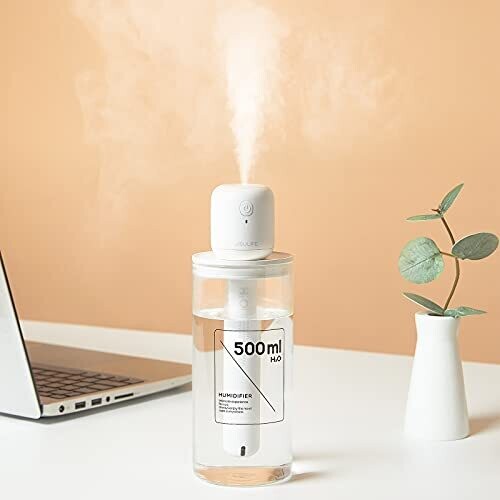
![Humidifiers for Bedroom Portable Mini Humidifier with 7-color Lights, Auto Shut-off Small Desk Humidifier [2 Mist Modes] Super Quiet Usb Personal Humidifier for Bedroom, Car, Office, Travel, Plants](https://airhumidifiers.com.au/images/products/322-humidifiers-for-bedroom-portable-mini-humidifier-with-7-color-lights-auto-shut-off-small-desk-humidifier-super-quiet-usb-personal-humidifier-for-bedroom-car-office-travel-plants-1.jpg)

Pros and cons (realistic buyer guidance)

Pros of good humidifier maintenance (especially for mold prevention)
- Less musty odor and fewer visible spots.
- Better mist performance (less clogging from mineral scale).
- Cleaner air experience in bedrooms and offices.
Cons / trade-offs to be aware of
- Weekly cleaning takes a bit of time—skipping it is the fastest route to mold.
- Hard water can increase scale, requiring more frequent descaling.
- Portable units help, but their smaller tanks mean you still must empty and refill responsibly.
FAQ
How do I prevent mold in humidifier tanks?
The best approach is consistent maintenance: empty leftover water after use, clean and descale weekly, wipe the mist path, and most importantly dry all parts completely before storage. Stagnant water and damp surfaces are what mold needs.
Is it enough to rinse a humidifier to stop mold?
No. Rinsing removes water but doesn’t reliably remove mineral scale or biofilm. You need a deeper clean (descaling and wiping) at least weekly, plus proper drying.
What happens if I leave water in the humidifier overnight?
Water sitting for hours can develop biofilm and a musty smell, especially in cool mist/ultrasonic units. If you use it overnight, plan to empty and clean shortly after, and avoid topping up old water.
How often should I clean my humidifier to prevent mold?
For typical use, clean weekly. If you notice odor, visible residue, or you’re using it frequently (or in hard water conditions), you may need more frequent cleaning.
Can I store my humidifier without cleaning it?
It’s not recommended. Storage without cleaning allows residue and moisture to remain, which can lead to mold. Clean first, then dry fully, and store in a dry environment.
Do portable humidifiers reduce mold risk?
They can help indirectly because smaller tanks are easier to empty and rinse more often. However, mold prevention still depends on emptying, weekly cleaning, and complete drying.
Which related humidifier is easiest to maintain?
In general, compact personal units can be easier to manage because you can empty and refill quickly and keep up with weekly cleaning. Options like Jisulife Mini Portable Humidifiers, 8-14 Hrs Travel Personal Battery Operated Humidifier with Container Diversity, Auto Shut-off, Ultra-quiet, Usb Rechargeable Humidifier for Travel/car/office/plants and Humidifiers for Bedroom Portable Mini Humidifier with 7-color Lights, Auto Shut-off Small Desk Humidifier [2 Mist Modes] Super Quiet Usb Personal Humidifier for Bedroom, Car, Office, Travel, Plants are designed for convenient everyday use—just be sure to follow the cleaning and drying steps above.
Should I use essential oils to prevent mold?
Essential oils are not a mold prevention method. They can leave residues that make buildup worse if the device isn’t designed for it. If your model supports additives, use them carefully and still clean thoroughly on schedule.
What are early signs of mold in a humidifier?
Common early signs include a musty smell, cloudy film, dark spots, or a slimy layer on the tank lid, threads, or bottom surfaces.
LIKED THIS ARTICLE? SHARE IT: